Introduction
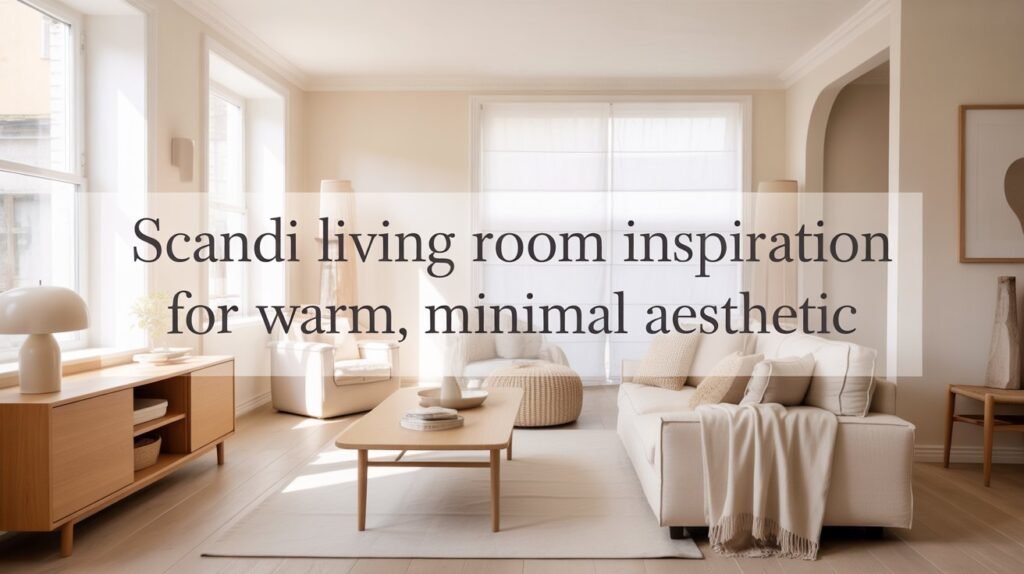
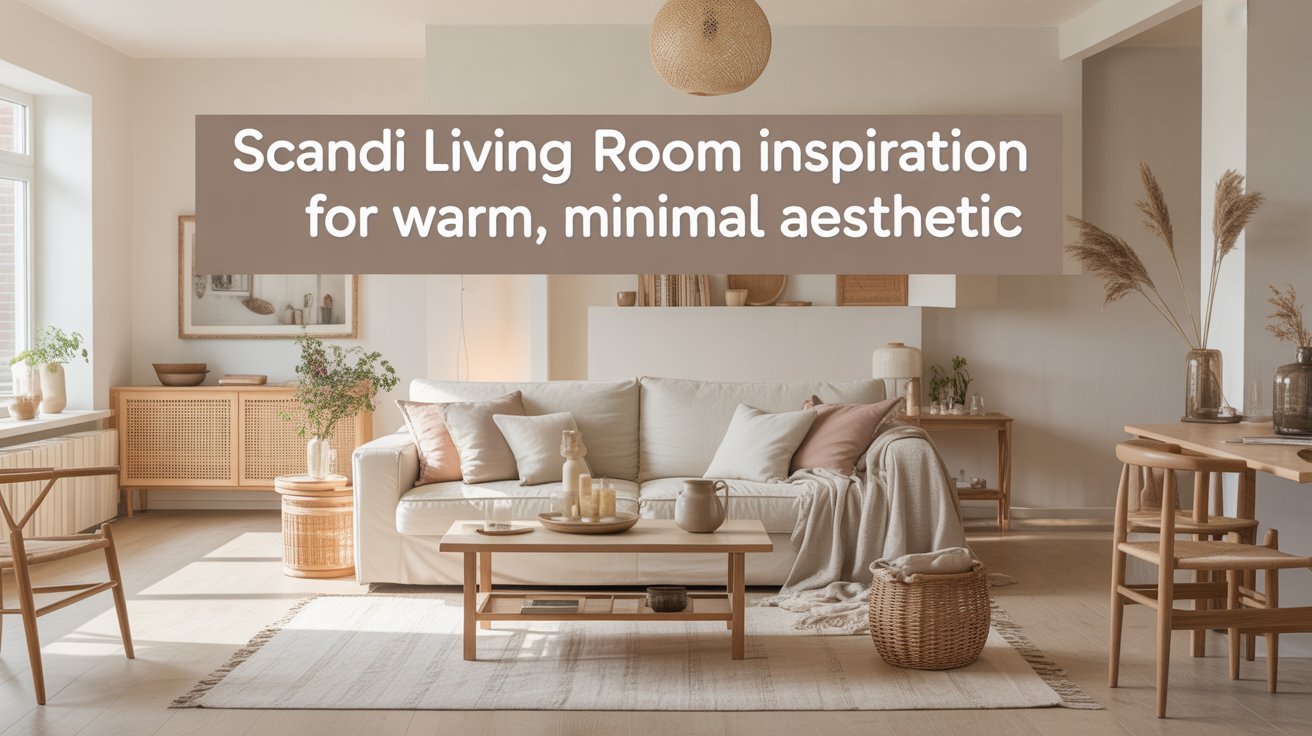
Scandinavian design is loved for its calming simplicity, warm textures, and beautifully balanced minimalism. A Scandi living room doesn’t just look good — it feels good. It brings together clean lines, soft neutrals, natural materials, and a cozy sense of comfort known as “hygge.” If you want a space that feels both stylish and soothing, this design style is the perfect fit.
The beauty of Scandinavian décor is how effortlessly it blends functionality with aesthetics. Every piece serves a purpose, yet the room still looks light, airy, and thoughtfully curated. Whether your space is large or small, this style helps create a welcoming environment that feels open rather than overwhelming.
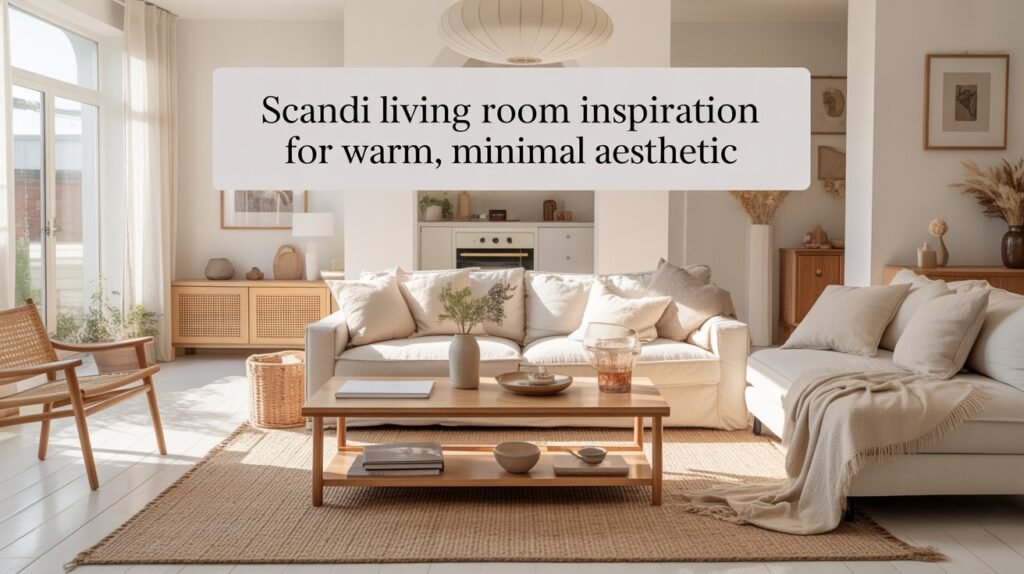
In this blog, you’ll discover simple and practical Scandi living room ideas that instantly elevate your home. From natural wood accents to soft textiles and minimalist décor, these inspiration-driven tips will guide you in creating the warm, minimal aesthetic you’ve always admired. Let’s begin crafting your own Scandinavian sanctuary.
1: Embrace a Warm, Neutral Color Palette
A warm, minimal Scandi living room always begins with a soft, earthy color palette. Think whites, creams, warm beiges, light taupes, and muted grays—tones that instantly brighten your space while keeping it inviting. These hues help create the classic Scandinavian aesthetic: calm, natural, and effortlessly airy.
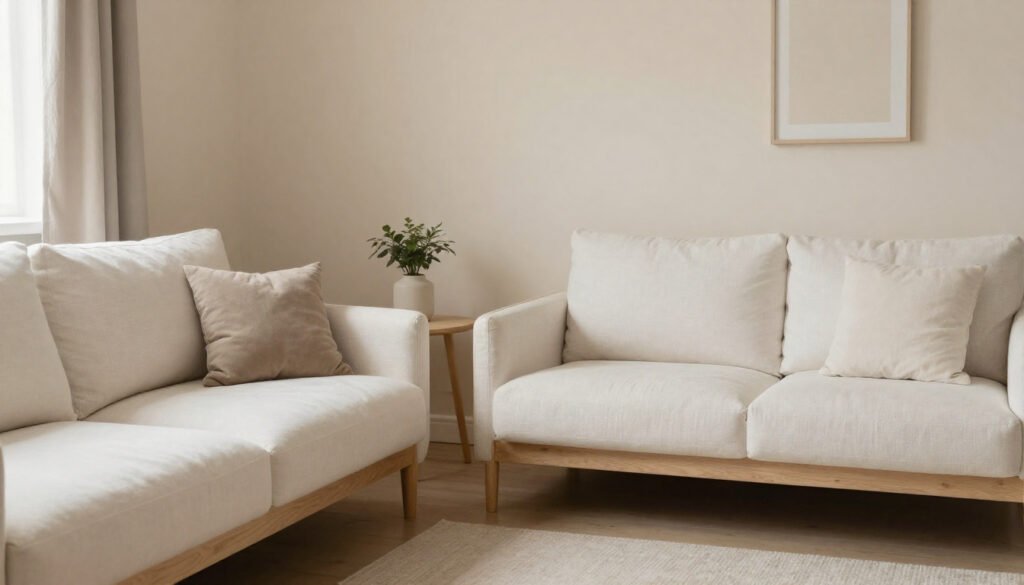
To enhance the warmth, incorporate subtle undertones like oatmeal, sand, honey, or soft mushroom shades. These colors layer beautifully and prevent the room from feeling too stark or cold. You can also add depth with natural wood tones—maple, birch, ash, or light oak.
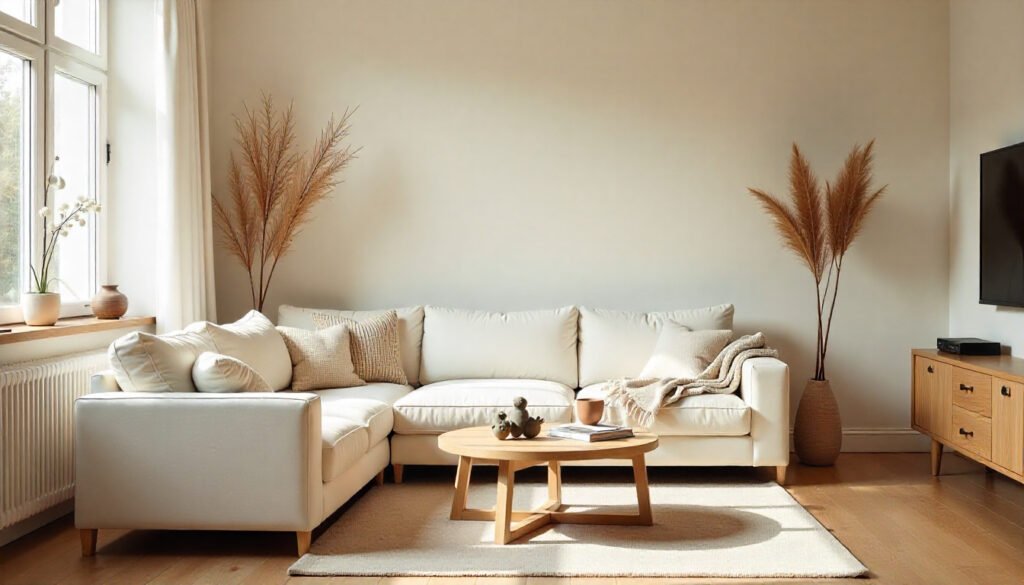
The key is simplicity. Stick to a cohesive palette throughout the room to maintain the signature minimal Scandi harmony. This color approach amplifies light, enhances the feeling of space, and sets the foundation for a warm, effortlessly stylish Scandinavian look.
2: Embrace Warm Neutrals as Your Color Foundation
Scandi Living Room design is built on a naturally calming palette, and the warmth of these tones is what creates that cozy–minimal balance. Instead of stark whites, Scandinavian living rooms lean into warm neutrals like oatmeal, sand, beige, mushroom grey, and creamy off-white. These hues make your space feel soft, bright, and airy without looking cold or clinical.
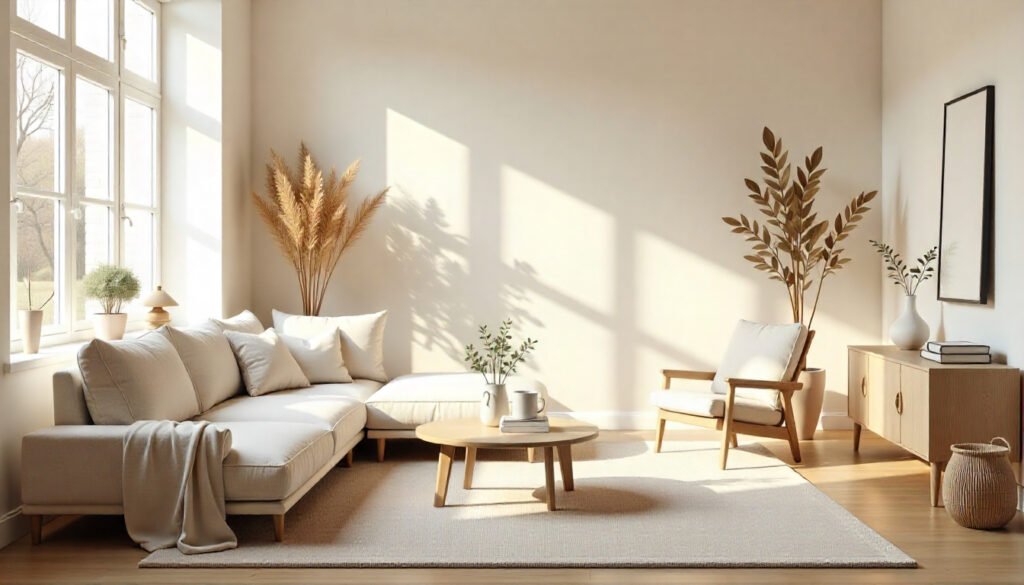
A warm, minimal aesthetic also relies on color consistency. Keeping your palette cohesive ensures the room feels open and spacious—one of the signature traits of Scandinavian style. Even with minimal decor, the warmth of the palette brings a sense of comfort and serenity.
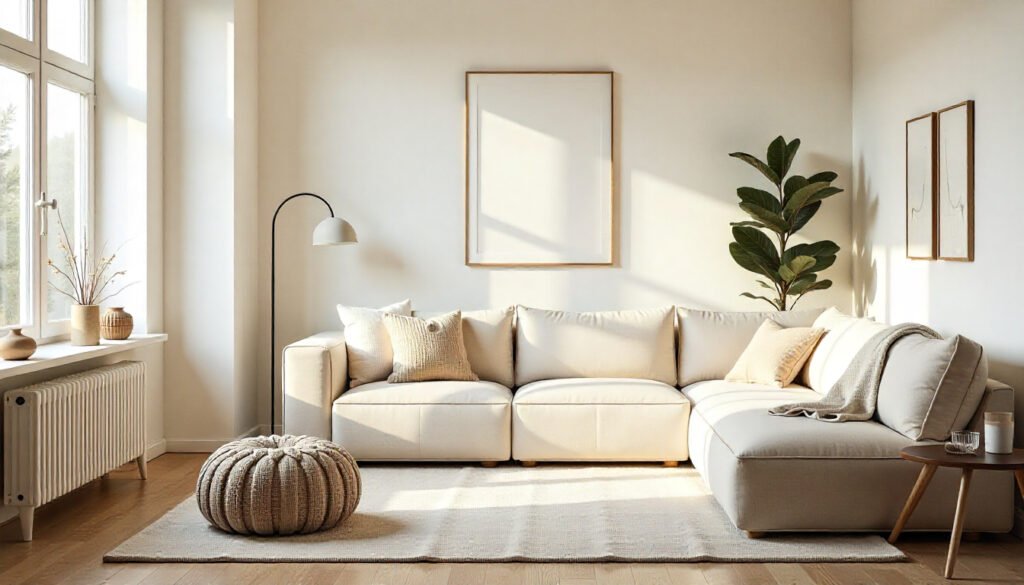
To enhance the look further, add subtle color accents through textiles or natural materials. Think warm wood tones, muted browns, soft terracotta, or pastel blush. These accents keep the space feeling cozy while maintaining clean Scandinavian simplicity.
3: Add Soft, Layered Textures for Warmth
One of the core elements of a warm Scandi living room is texture. Scandinavian minimalism avoids clutter, but it embraces cozy materials that bring softness and comfort into the room. Think of it as inviting warmth without overwhelming the senses.
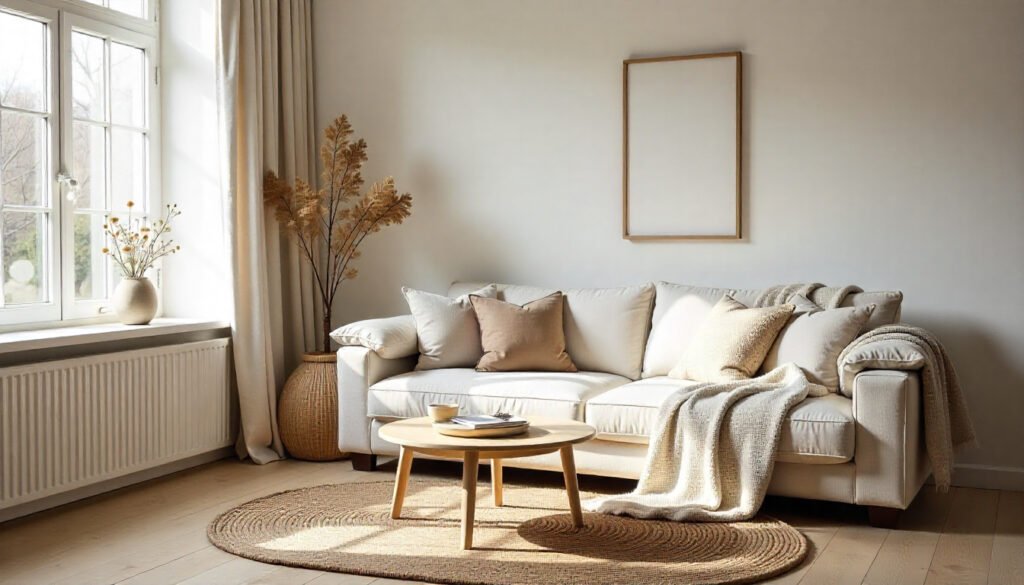
Layering is key — combine airy linen curtains, cotton throws, wool blankets, jute rugs, and soft cushions in earthy tones. These layers help balance the clean, minimal look and prevent the space from feeling cold or empty. Each texture adds depth while maintaining simplicity.
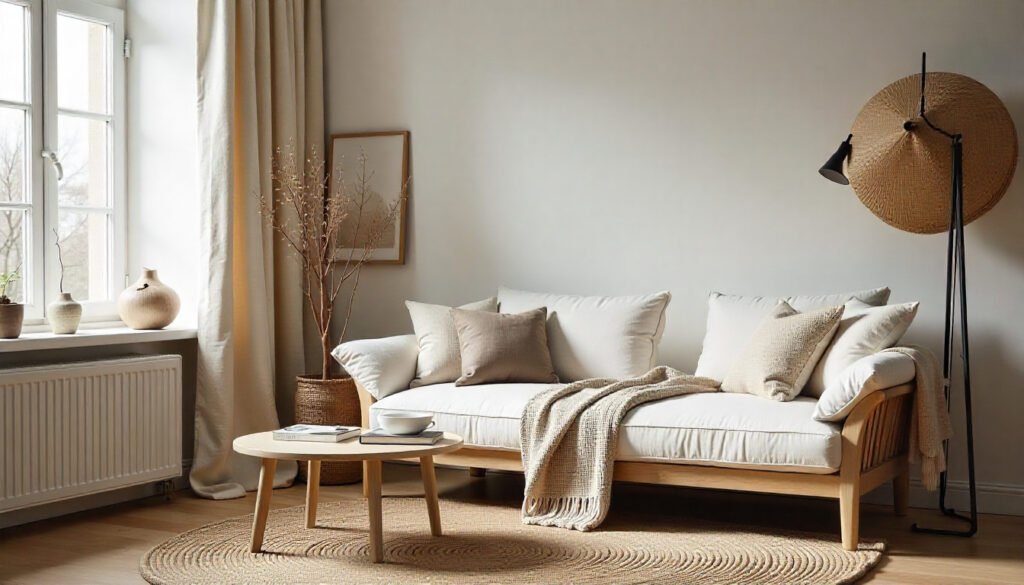
Focus on quality over quantity. Instead of stacking multiple decor pieces, choose a few high-quality textiles that add visual and tactile warmth. This keeps the room minimalist yet incredibly inviting — a signature Scandi feel.
4: Incorporate Soft, Layered Textures
A warm, minimal Scandi living room depends heavily on texture. Since the style avoids clutter and flashy décor, layering tactile materials becomes the key to creating depth and coziness. Think soft knits, wool throws, linen cushions, and lightly textured rugs—each piece adds warmth without overwhelming the simplicity of the space.
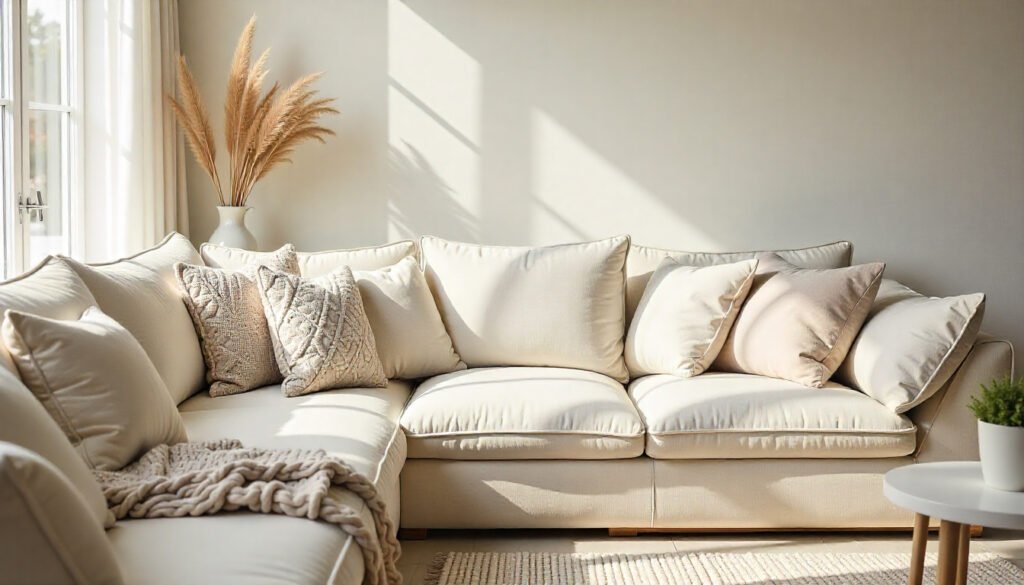
Choose neutral-toned textiles like beige, cream, oatmeal, sand, and muted grey for a cohesive Scandinavian palette. Mix materials thoughtfully: a chunky knit paired with smooth linen, or a soft wool throw draped over a clean-lined sofa, enhances the balance between comfort and minimalism.
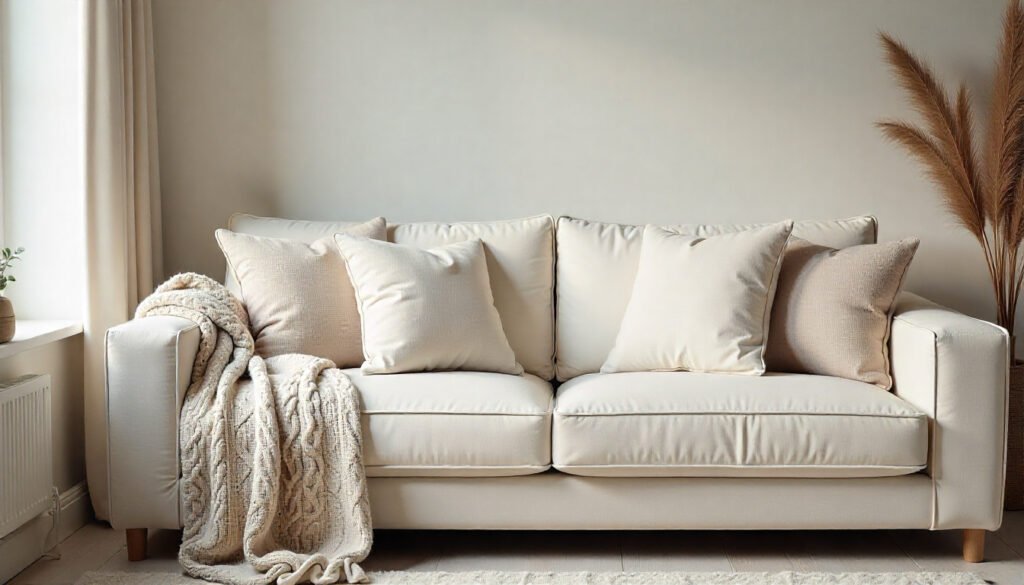
Textures should feel inviting but still calm. Focus on quality over quantity. A single luxurious blanket, one textured rug, and a few organic-fabric cushions can instantly make your living room feel lived-in, soft, and effortlessly Scandinavian.
5: Add Soft, Natural Lighting for a Warm Glow
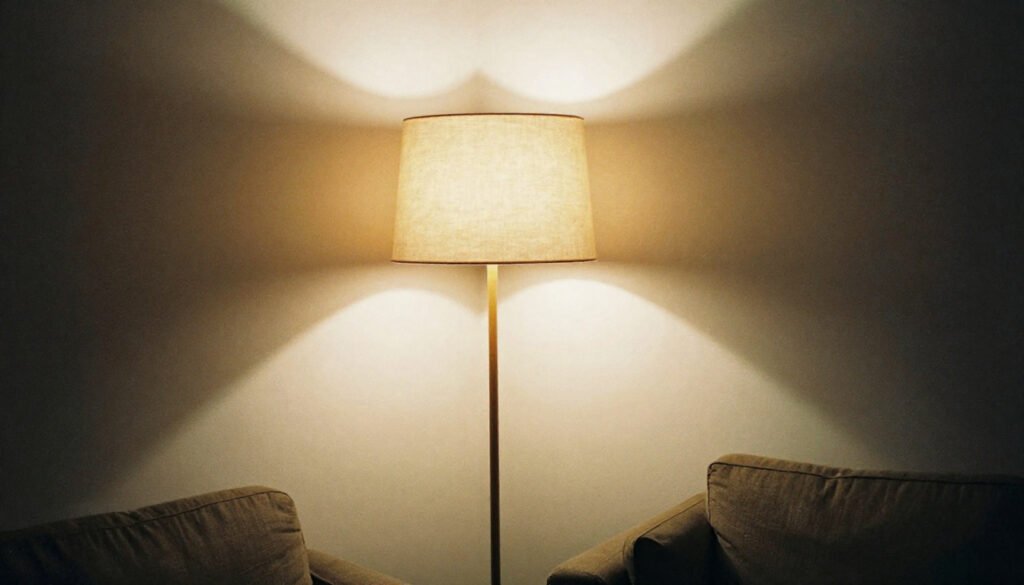
Lighting is one of the most powerful ways to create a warm, minimal Scandinavian aesthetic. Instead of harsh overhead lights, Scandi interiors use layered, soft lighting that makes the room feel cozy, calm, and naturally inviting. Think warm white bulbs, gentle uplighting, and fixtures that blend seamlessly with the decor.
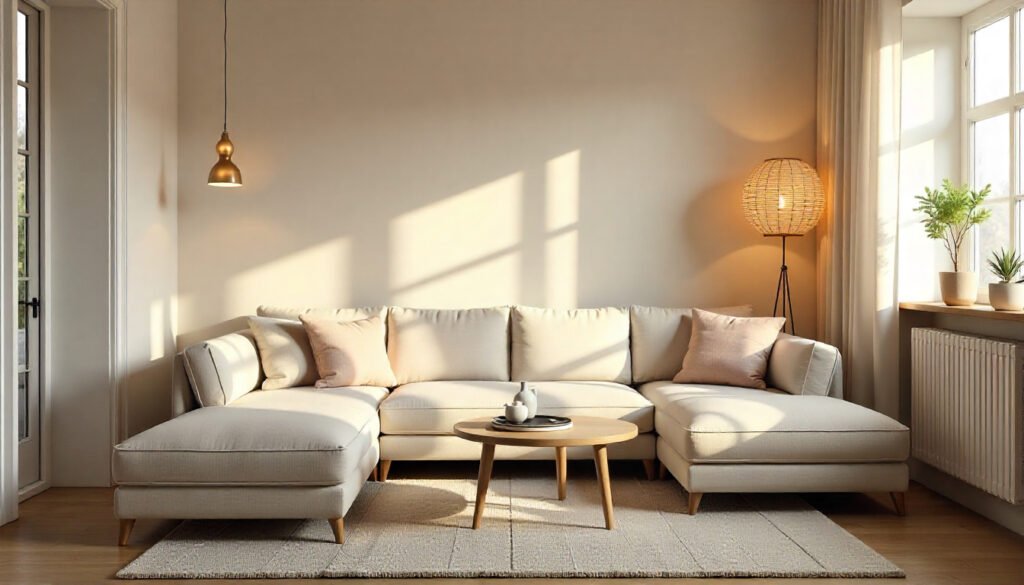
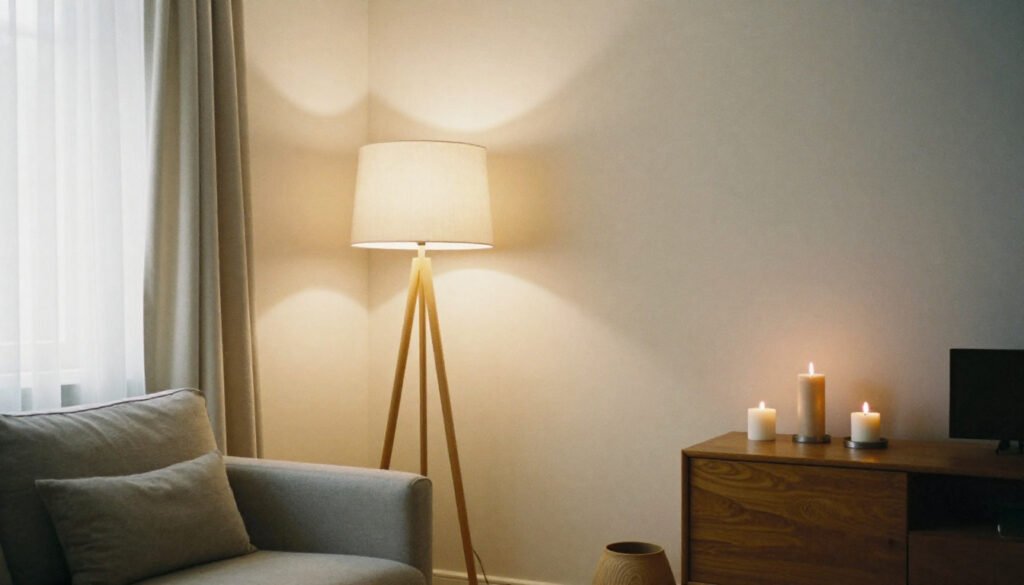
Introduce multiple small pools of light using floor lamps, table lamps, and wall sconces. This layering creates depth and eliminates shadows, helping your living room feel bright without sacrificing warmth. Choose clean-lined, wood-accented fixtures that bring both function and minimalist beauty.
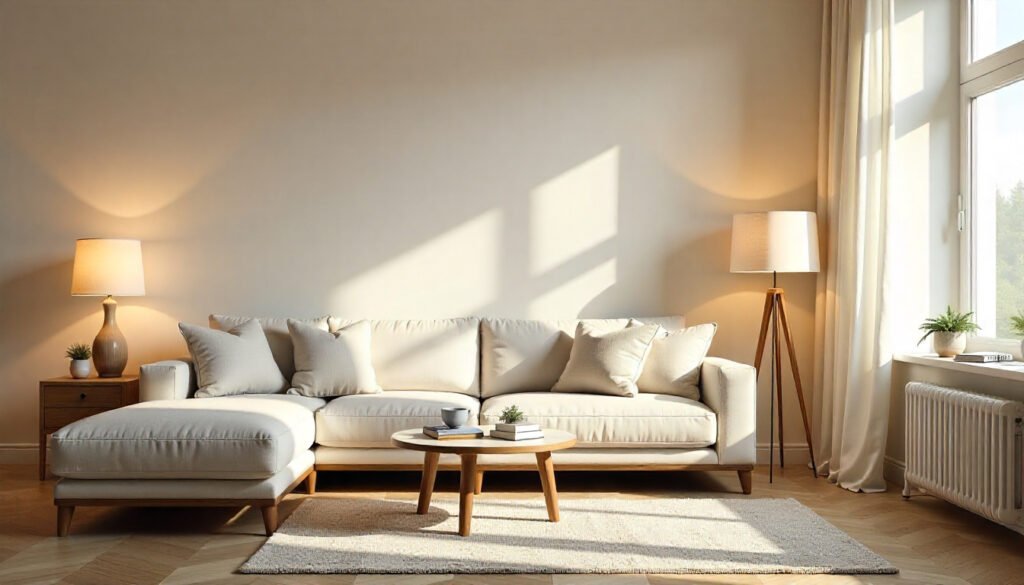
For an even cozier Scandinavian atmosphere, incorporate candles or faux candles, lantern-style lamps, and warm-toned LED strips. The goal is to mimic the feeling of natural daylight mixed with soft evening glow — a perfect example of “hygge” at home.
6: Add Natural Greenery for a Soft, Lively Touch
Greenery is an essential element in Scandi interiors because it brings life, freshness, and a hint of color to an otherwise neutral palette. Plants soften sharp lines, add organic warmth, and create a calm, health-focused atmosphere—perfect for a minimal aesthetic.
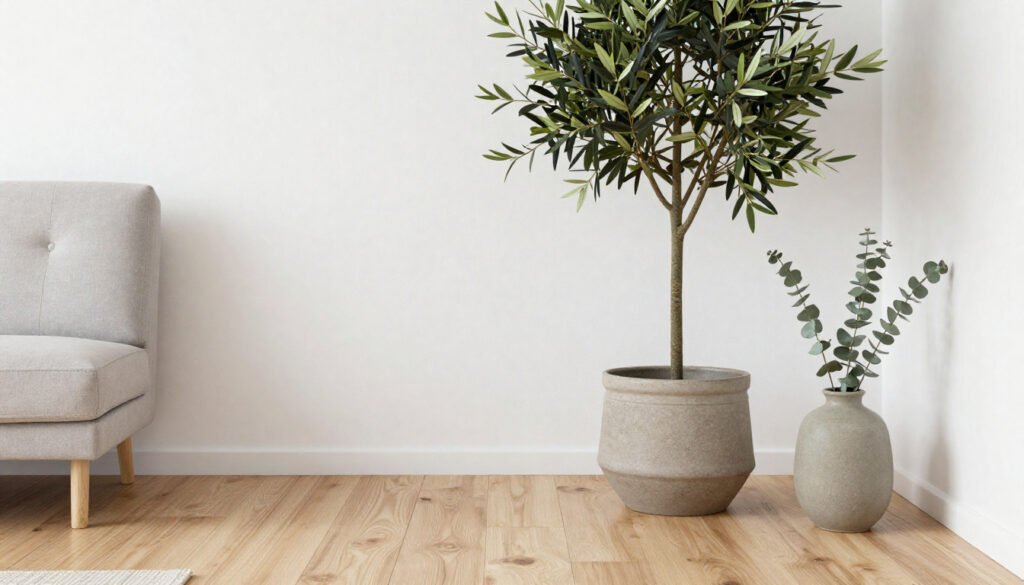
Choose plants with simple shapes and muted greens, such as olive trees, eucalyptus stems, snake plants, or monstera. Even a single vase with fresh branches can instantly elevate your living room without cluttering your space.
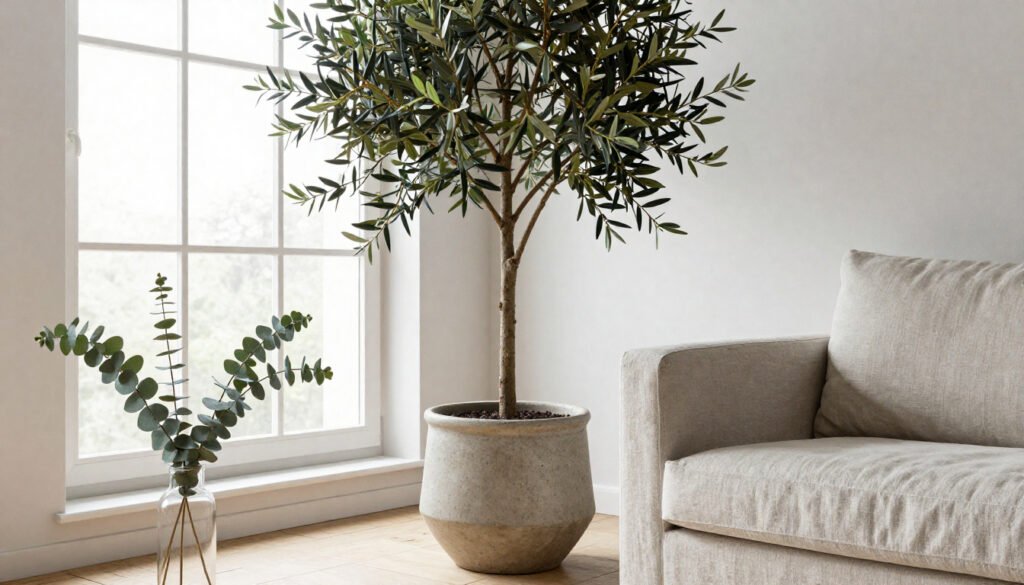
Keep arrangements minimal. Instead of grouping many plants together, place one or two statement pieces strategically—near a window, beside the sofa, or on a wooden stool—to maintain the Scandinavian balance of simplicity and nature.
7: Use Organic Elements for Warmth & Balance
One of the core principles of Scandinavian design is its connection to nature. Bringing organic materials into your living room instantly creates warmth, texture, and a grounding, calming energy. Even in a minimalist space, natural elements add depth without introducing clutter.
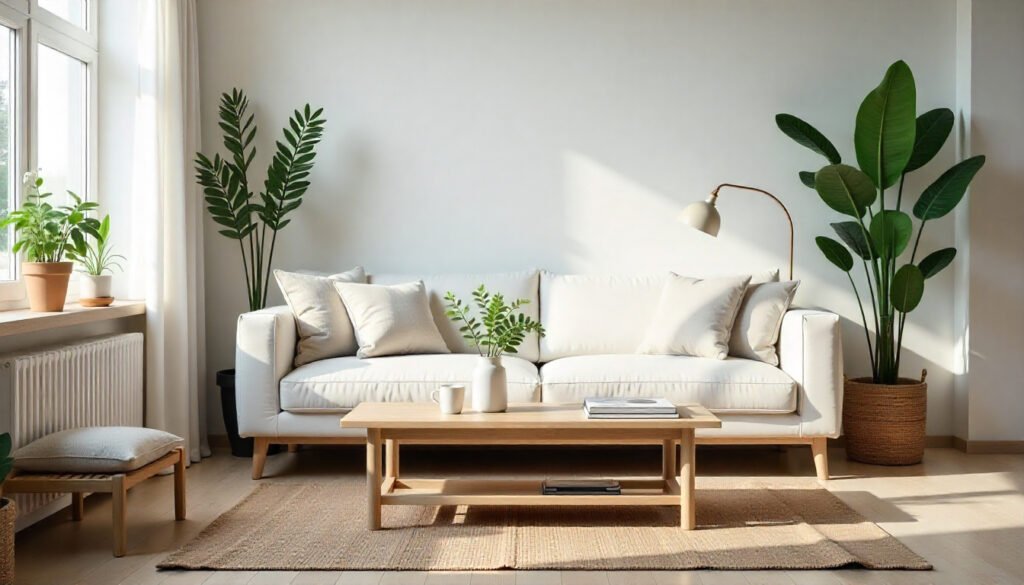
Start by incorporating wooden accents—light oak, birch, and ash are classic Scandi choices. Whether through coffee tables, open shelves, or picture frames, these blonde wood tones brighten your living room and soften modern lines. Their subtle grain adds tactile interest while staying true to the minimal aesthetic.
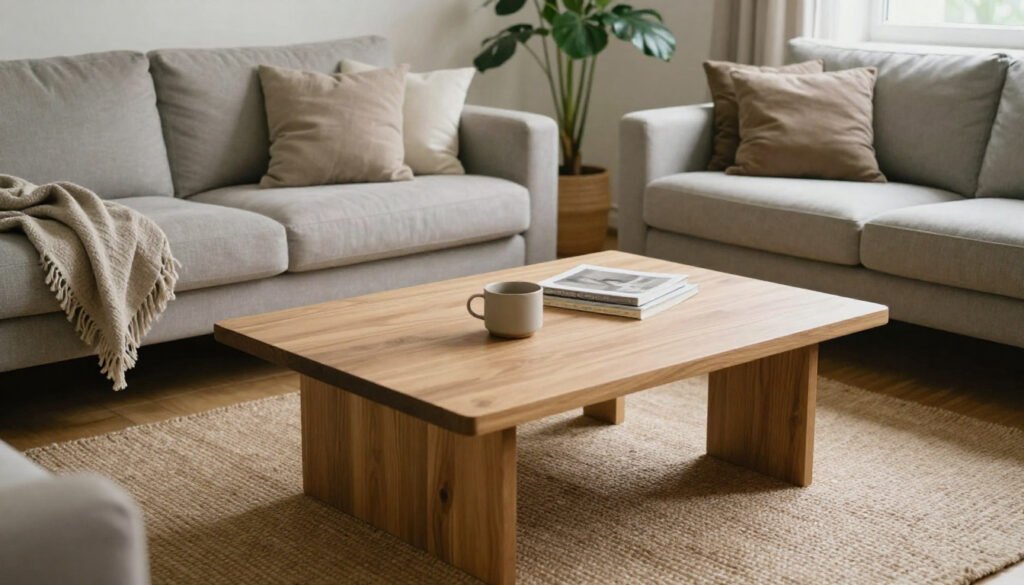
Pair your wood elements with natural fibers such as linen, jute, wool, and cotton. A chunky knit throw, a woven jute rug, or a linen cushion cover can introduce a cozy, hygge-inspired vibe. The contrast between smooth surfaces and soft textiles is what makes Scandinavian decor feel both minimal and inviting. Add a few understated houseplants to complete the organic harmony.
8: Incorporate Natural Light for a Bright, Inviting Space
One of the most defining features of Scandi living rooms is their emphasis on natural light. Scandinavian homes often experience long, dark winters, which is why maximizing sunlight became central to their design philosophy. Large windows, soft color palettes, and airy layouts all work together to create an open, uplifting environment.
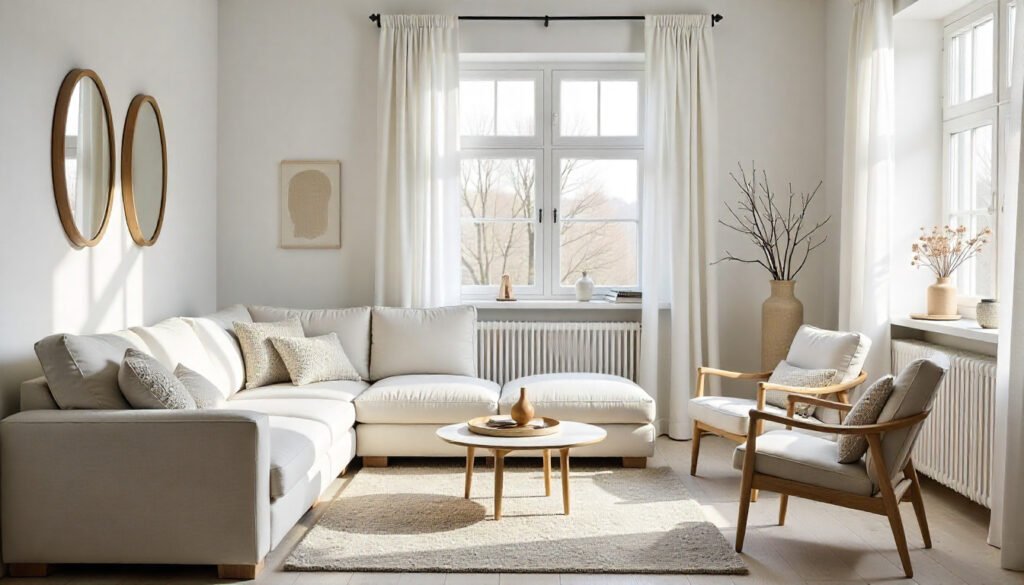
Start by keeping your windows uncovered or lightly covered. Choose sheer white curtains or linen drapes that allow sunlight to flow through without blocking the view. This instantly warms up the room and enhances the minimal Scandi aesthetic.
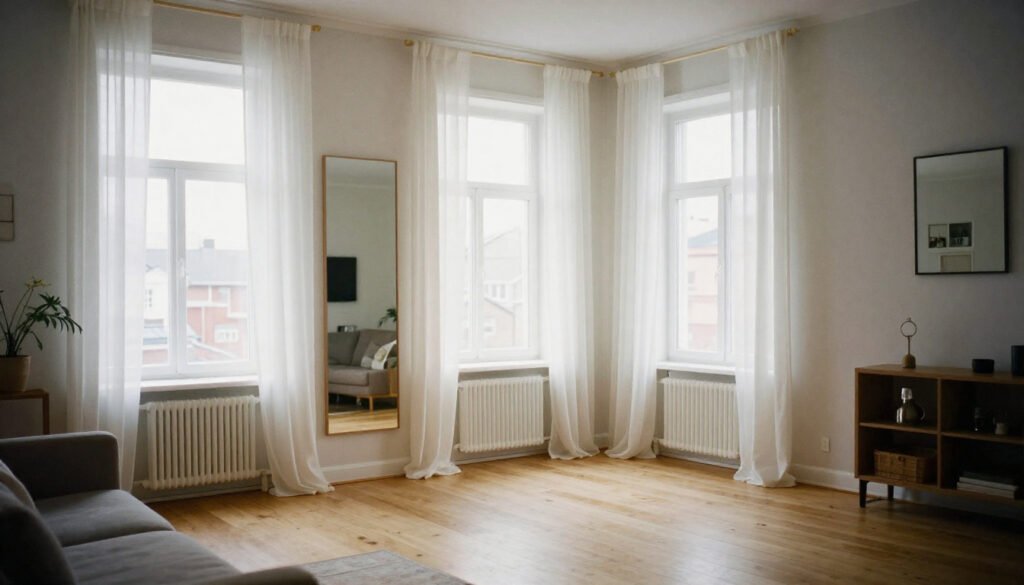
You can further amplify the brightness by using reflective surfaces, such as mirrors, glass décor, and light-toned woods. Placing a mirror directly across from a window helps bounce natural light throughout the space, making your living room feel more spacious and welcoming — even on cloudy days.
9: Add Soft Textures for Warmth & Comfort
Scandi interiors may be minimal, but they are never cold. Soft textures are the secret ingredient that makes your living room feel warm, cozy, and lived-in—even with a pared-back aesthetic. Think plush throws, chunky knit blankets, wool cushions, and soft cotton rugs that add gentle warmth without overwhelming the space.

Choose a neutral palette for textiles—creamy whites, warm beiges, oat tones, and muted grays. These colors maintain visual calmness while bringing in layers of subtle comfort. Mixing natural fabrics like linen, wool, and cotton enhances authenticity and supports the Scandinavian love for organic simplicity.
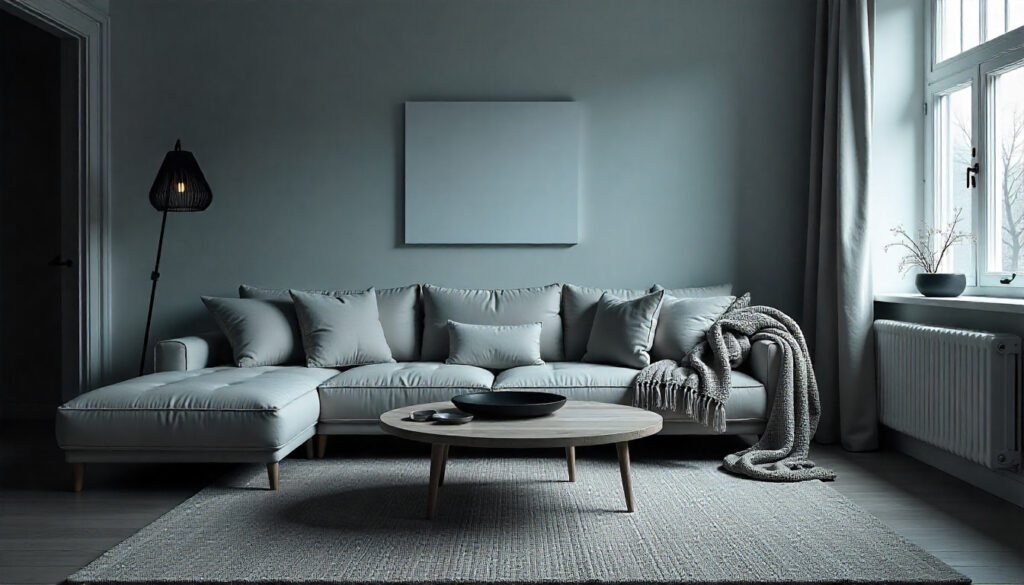
For a truly hygge-inspired living room, incorporate one or two standout textures like a faux fur throw or a thick wool rug. These pieces elevate the room instantly, adding depth and a feeling of everyday luxury that remains perfectly minimal.
10: Incorporate Soft Patterns the Scandinavian Way
While Scandinavian design celebrates simplicity, adding subtle patterns brings warmth and visual interest without overwhelming your space. Soft stripes, muted checks, and minimal geometric motifs help create depth while maintaining a clean, airy look. The key is keeping patterns gentle, understated, and consistent with your neutral palette.
Choosing one or two pattern types ensures a harmonious and cohesive feel. Think Scandinavian-inspired throw pillows, lightweight patterned curtains, or a soft woven rug with minimal designs. These touches add personality while staying true to the calm, serene aesthetic that defines Scandi interiors.
To keep the look warm and inviting, focus on natural textures—cotton, wool, linen, and woven textiles. These timeless materials pair beautifully with soft patterns, creating a balanced atmosphere that’s both stylish and comforting.
Final Conclusion
A warm, minimal Scandi living room blends simplicity, comfort, and natural beauty into a space that feels effortlessly livable. By focusing on clean lines, cozy textures, and a calming neutral palette, you create a room that invites rest without sacrificing style. Scandinavian design is less about strict rules and more about intentional choices that support peace and everyday ease.
Whether you’re incorporating soft lighting, natural woods, or functional minimalist furniture, every element should feel purposeful. This is what gives Scandi spaces their signature balance—warm, welcoming, and uncluttered. With the right combination of warmth and simplicity, your living room becomes a serene retreat that radiates comfort year-round.

Embrace the beauty of “less,” keep what matters, and let your living room become a reflection of hygge, harmony, and timeless Scandinavian style.
FAQS:
1. How do I make my living room look Scandinavian?
Keep the design simple, use neutral colors, add natural textures, and focus on functional, uncluttered decor.
2. What colors work best in a Scandi living room?
White, beige, soft gray, muted browns, and natural wood tones create the classic Scandinavian look.
3. How do I add warmth to a minimal Scandinavian space?
Use layered textiles, warm wood accents, soft lighting, and cozy throws to balance minimalism with comfort.
4. Are Scandinavian interiors always minimal?
Yes—Scandi style prioritizes clean lines and simplicity, but you can still personalize it with textures and organic elements.
5. What furniture fits best in a Scandinavian-style living room?
Lightwood furniture, clean-lined sofas, simple coffee tables, and functional storage pieces complement the Scandi aesthetic.