Minimalist Living Room Mistakes ,Minimalism is meant to feel airy, open, and calming — but sometimes, even when you’re trying to follow the rules, your living room can still end up looking busy and overwhelming. Many people unknowingly make common design mistakes that add visual clutter, disrupt balance, and create a space that feels far from minimalist. The good news? These mistakes are easy to fix once you know what to look for.
From choosing the wrong furniture to overcrowding your walls or mixing too many décor styles, small missteps can make a huge difference in the overall feel of your space. Minimalism doesn’t mean empty — it means intentional. And when each piece in your living room serves a purpose, the whole room becomes naturally harmonious.
In this guide, we’ll break down the biggest minimalist mistakes people make and how to correct them for a cleaner, more calming living room. If you’re ready to transform your space into a serene retreat, these insights will help you avoid clutter traps and design with confidence.
1: Choosing Furniture That’s Too Large for the Room
One of the most common mistakes in minimalist living room design is selecting oversized furniture that overwhelms the space. Even if you have only a few pieces, bulky sofas, massive coffee tables, or wide accent chairs instantly make the room feel crowded.Minimalist Living Room Mistakes ,Minimalism thrives on proportion, balance, and negative space — and oversized furniture disrupts all three.
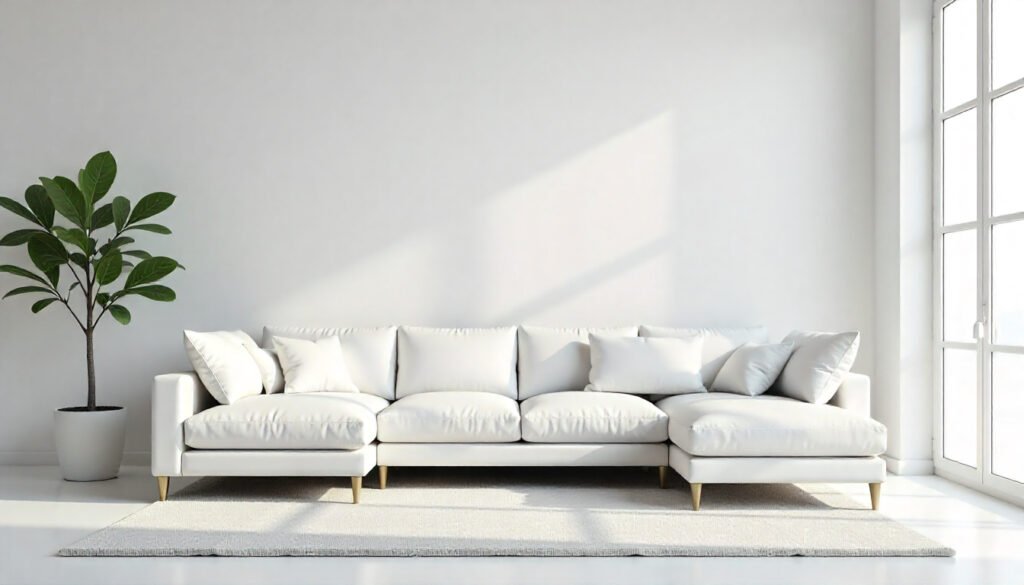
Instead of filling the room with heavy or chunky items, opt for furniture with clean lines, raised legs, and a lighter visual footprint. Slim-profile seating, compact side tables, and floating shelves help create the illusion of more space while still being functional. The goal is to choose pieces that support the overall airy, open feel of a minimalist aesthetic.
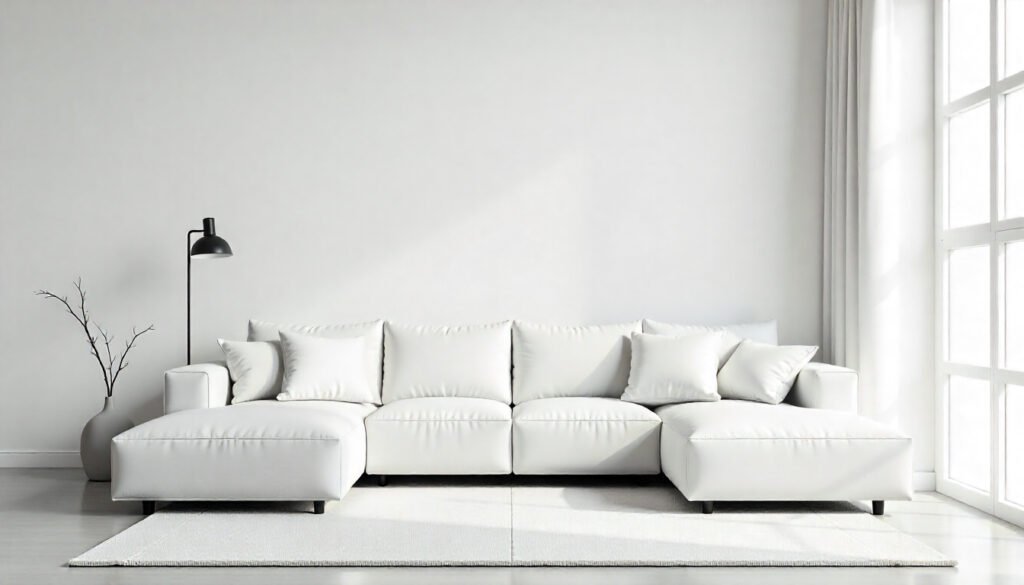
Take measurements before buying anything and map out how each piece will fit in the room. When every item complements the size of the space, your living room will feel naturally calm and uncluttered.
2: Mixing Too Many Décor Styles at Once
Minimalism thrives on harmony, but mixing too many design styles can disrupt that balance and make your living room feel visually noisy.Minimalist Living Room Mistakes for example, pairing industrial pieces with boho textures, farmhouse elements, and glam accents all in the same space creates confusion rather than cohesion. Even if each item is beautiful on its own, the combination can look disjointed — which reads as clutter.
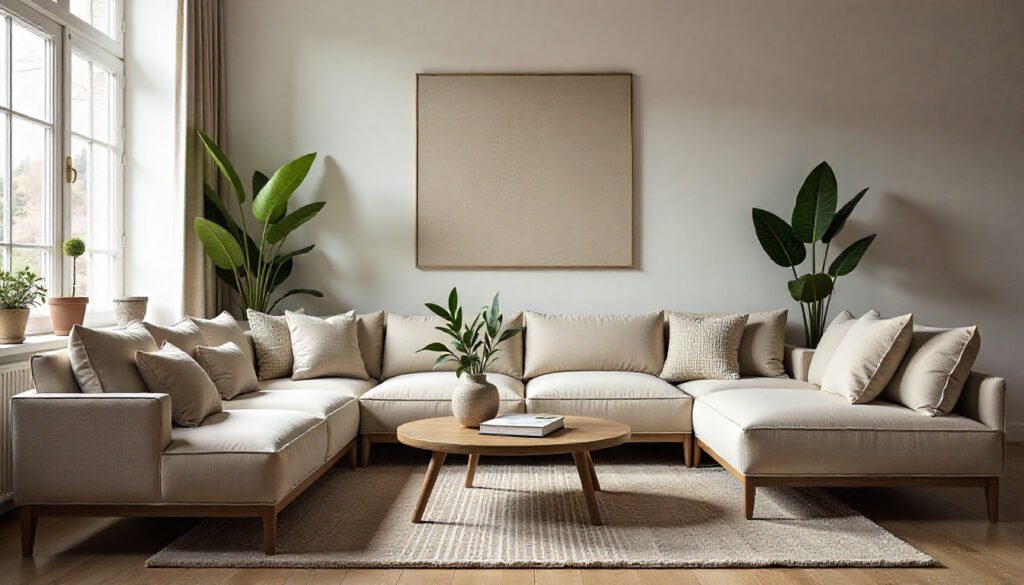
A Minimalist Living Room Mistakes, minimalist living room should follow one clear design direction. Whether you choose Scandinavian, Japanese-inspired, or modern minimalist, staying consistent with materials, shapes, and finishes will create a seamless flow. Focus on repetition — repeated colors, repeated textures, repeated silhouettes — to make the space feel grounded and intentional.
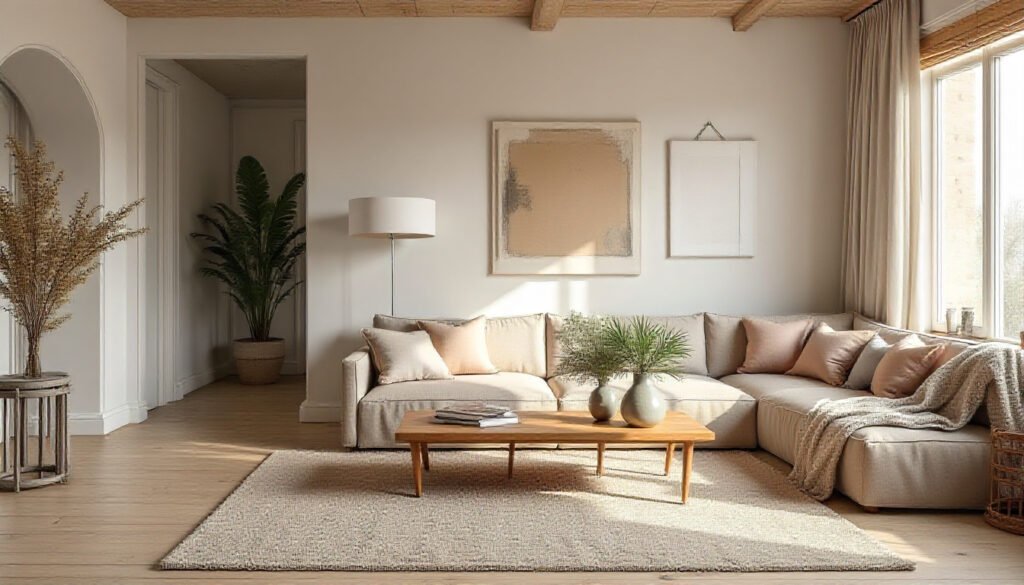
Before adding any item, ask yourself: Does this fit the style story of my room? The more unified your décor choices are, the more serene your living room will feel.
3: Overusing Decorative Accessories
Minimalist design isn’t about filling every empty space — it’s about letting the room breathe. One of the biggest mistakes people make is adding too many decorative items: candles, plants, figurines, books, vases, trays, and small décor pieces that quickly overwhelm the space. Even if each accessory is stylish, the overall effect becomes cluttered when there are too many.
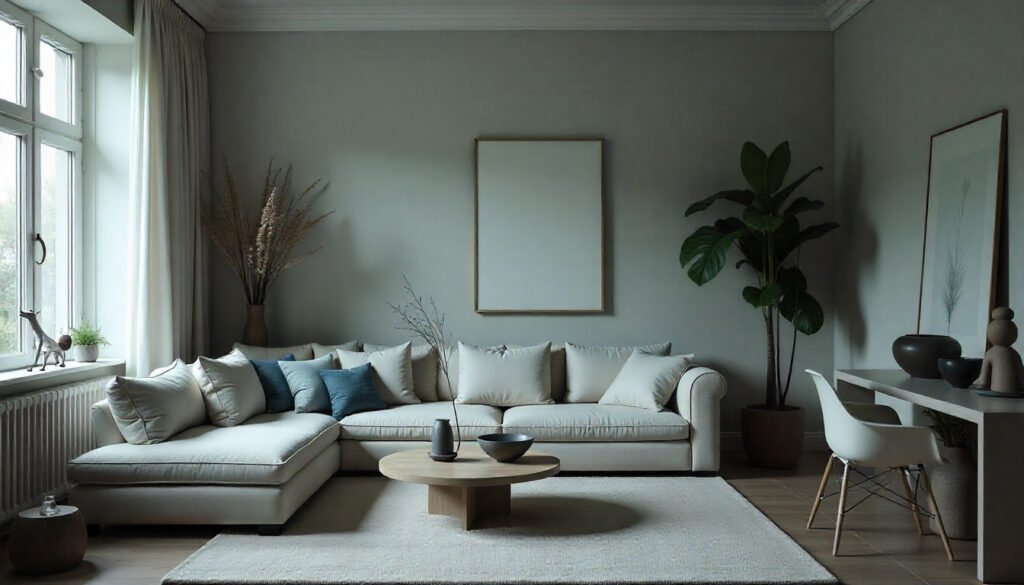
Instead, curate only a few meaningful pieces that add value or beauty to the room. Choose larger, intentional décor items rather than many small ones, as they create visual impact without adding chaos. Keep surfaces like coffee tables, consoles, and shelves simple, with only 1–3 items displayed per area. This selective approach brings clarity and calm to your living room.
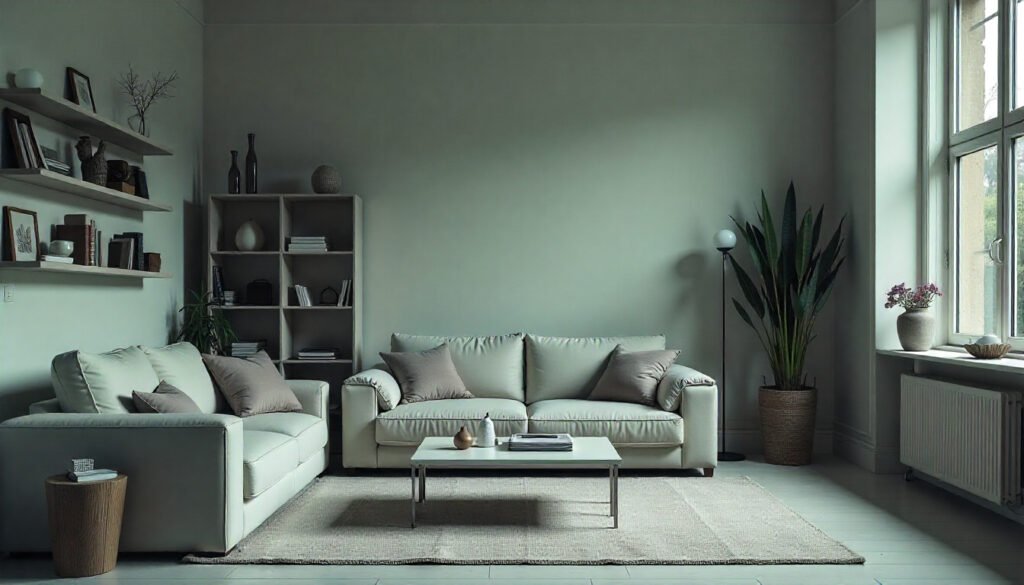
When in doubt, remove one item — minimalist design often becomes more powerful through subtraction, not addition.
4: Ignoring Negative Space
Negative space — the empty areas around furniture and décor — is one of the most important elements of minimalist design. But many people unintentionally fill every corner, wall, and surface, which makes the living room feel tight and cluttered. Minimalist Living Room Mistakes ,When there’s no breathing room, even a clean space begins to look overwhelming.
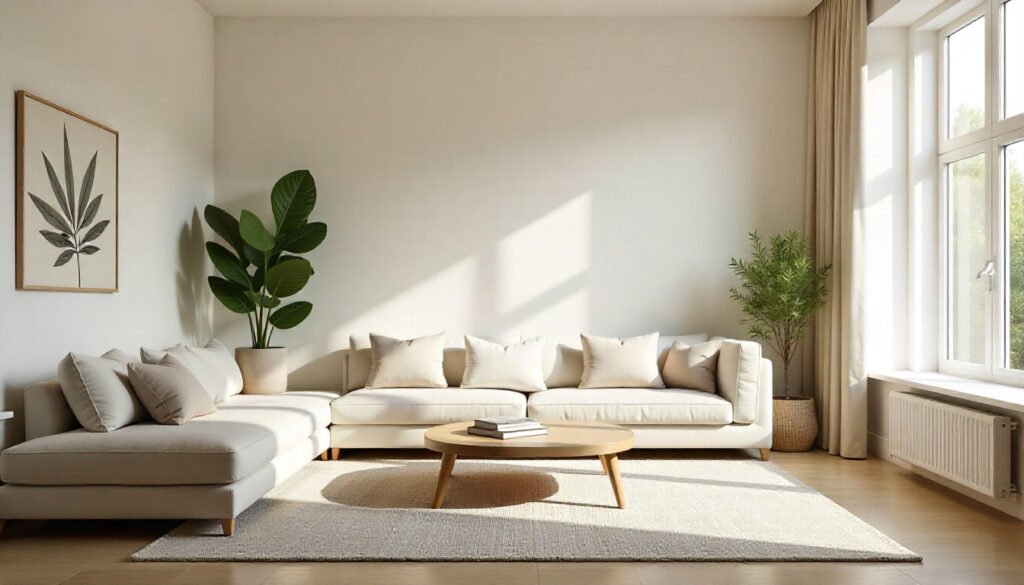
A well-designed minimalist living room uses negative space as part of the aesthetic. Empty areas help define the shape of the room, highlight key furniture pieces, and create a calming visual balance. Leaving walls partially bare, allowing corners to remain open, or spacing out furniture can instantly make the room feel larger and more serene.
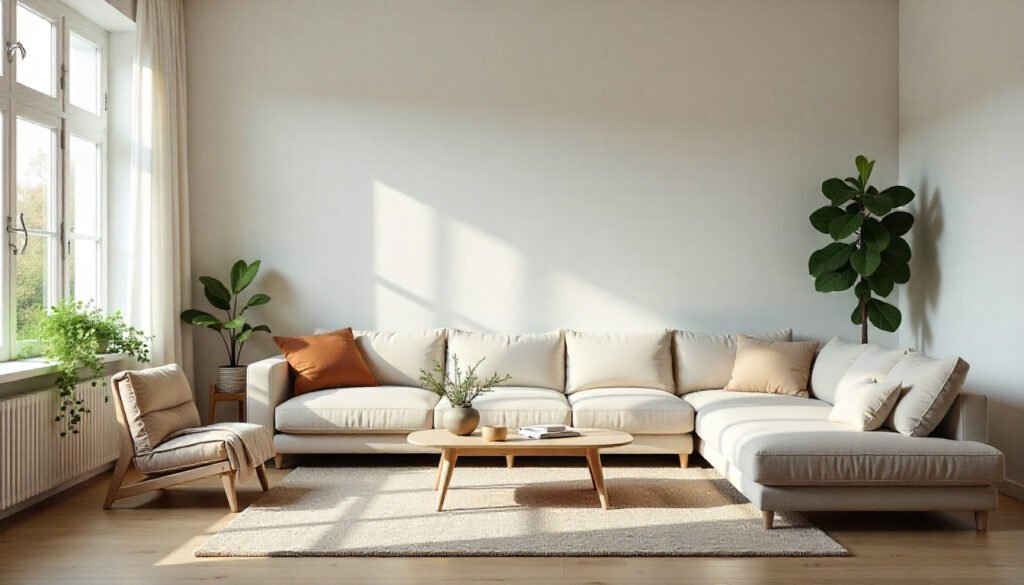
Embrace the idea that not every inch needs to be occupied. Negative space is not “missing décor” — it is the décor. When used intentionally, it adds elegance, clarity, and a sense of peace to your living room.
5: Choosing the Wrong Color Palette
Color plays a huge role in how minimalist your living room feels. Many people unintentionally choose colors that are too bold, too busy, or too contrasting — which breaks the calm, cohesive aesthetic minimalism is known for.Minimalist Living Room Mistakes , Loud colors or overly varied palettes can make your space feel visually cluttered, even if it’s sparsely furnished.
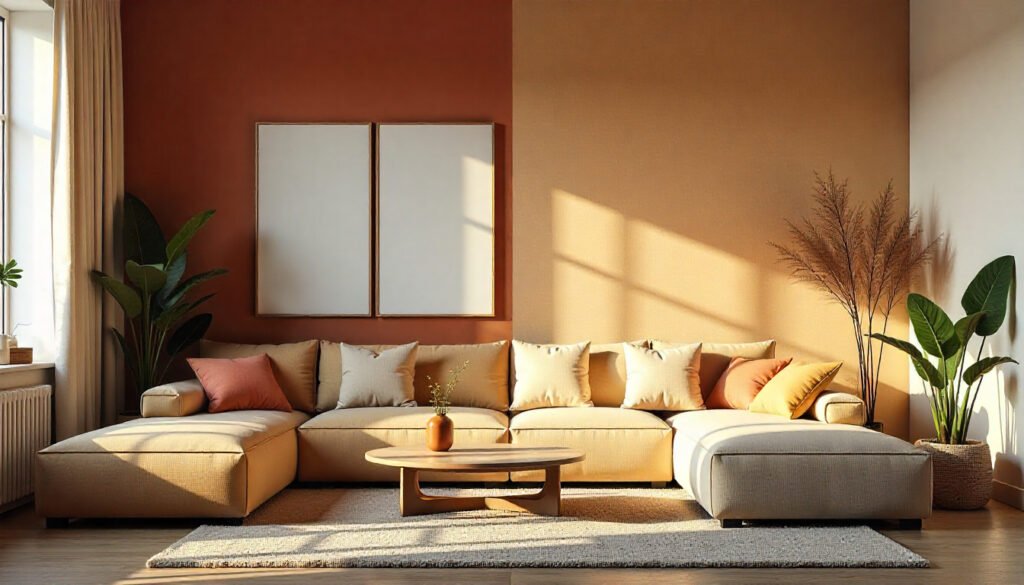
Minimalist living rooms work best with soft neutrals, muted tones, and cohesive color families. Think whites, beiges, soft greys, warm wood tones, or earthy hues that naturally blend together. Minimalist Living Room Mistakes ,These colors create a sense of calm and allow the eye to move effortlessly around the room. If you love color, incorporate just one subtle accent shade rather than multiple competing tones.
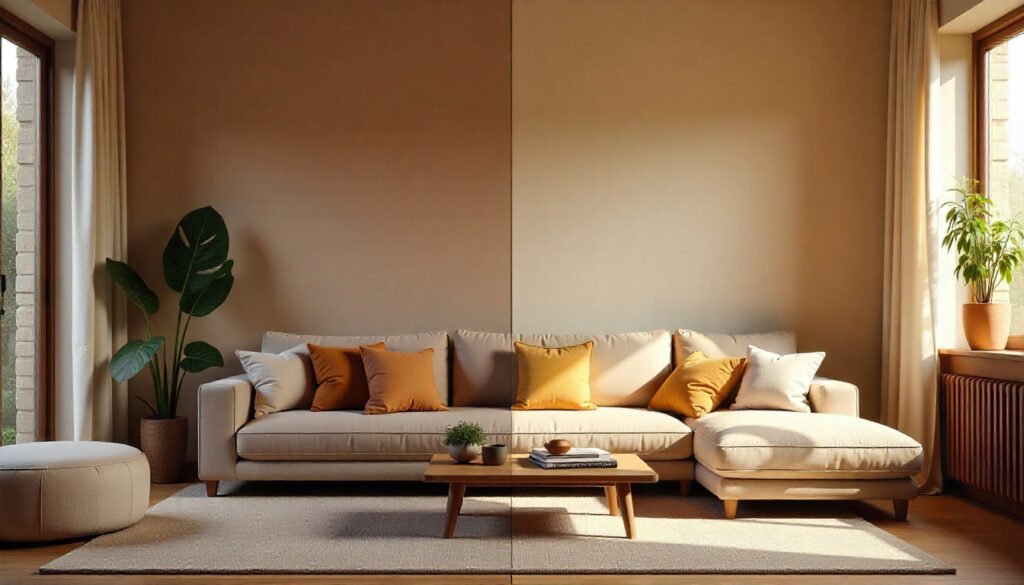
A well-chosen palette simplifies your space instantly. When the colors work together, the entire room feels more intentional, soothing, and authentically minimalist.
6: Ignoring Storage Solutions
Minimalist living rooms can quickly become cluttered when there isn’t enough storage to keep everyday items out of sight. Remote controls, chargers, blankets, books, and children’s toys often end up scattered around the room — making the space feel messy even if you don’t have much décor. Many people underestimate how crucial smart storage is for maintaining a clean minimalist look.
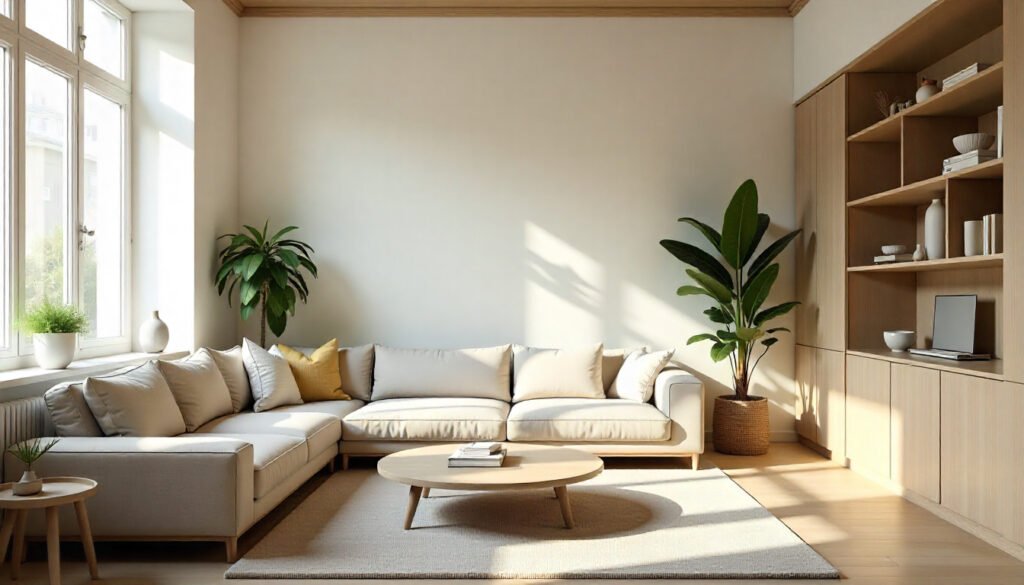
In a true minimalist space, every item has a place to go. Closed storage options like cabinets, baskets, media consoles, and ottomans with hidden compartments can make a huge difference. They allow you to keep your essentials close without leaving them visible. Open shelving, while beautiful, should be used sparingly and styled very intentionally to avoid visual clutter.
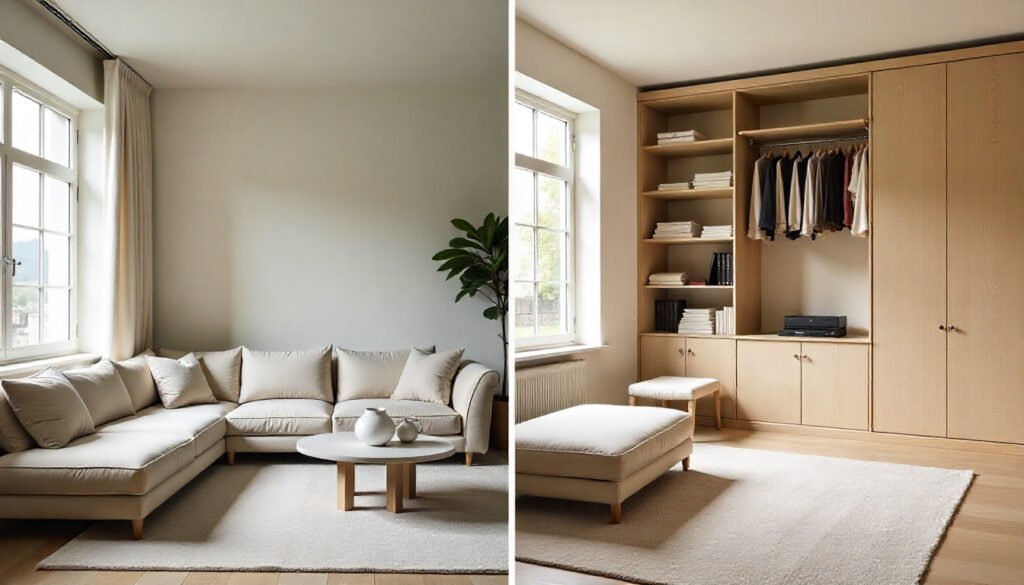
Think of storage as part of your design, not an afterthought. When everything has a home, your living room remains tidy, calm, and aligned with minimalist principles.
7: Using Too Many Small Pieces of Furniture
Many people assume that minimalist living rooms should be filled with small, delicate furniture — but this can actually make the space feel more cluttered. Minimalist Living Room Mistakes , When you use too many petite pieces, such as tiny side tables, narrow shelves, or multiple small stools, the eye jumps between them, creating visual noise. This breaks the simplicity and flow that minimalism is meant to achieve.
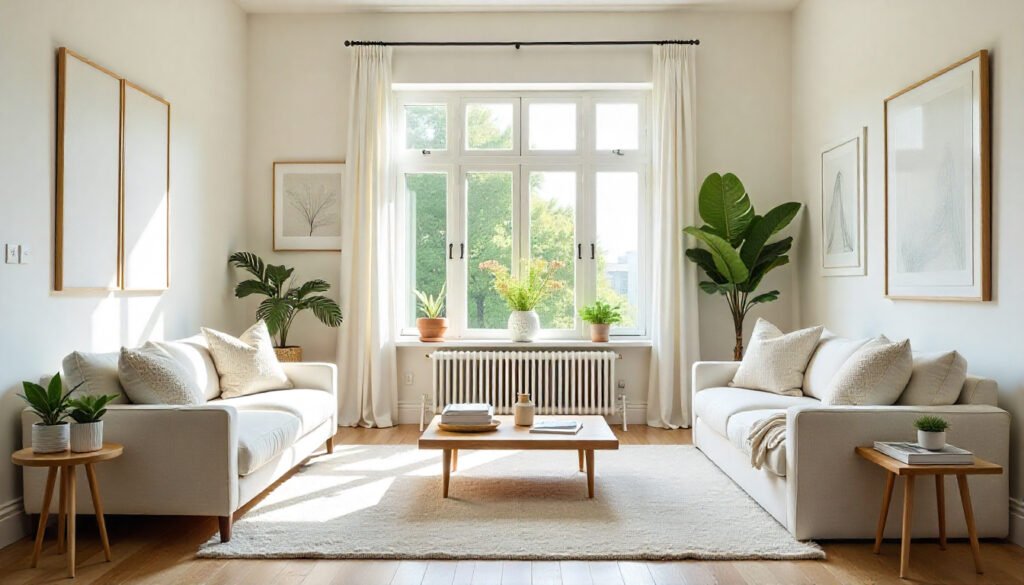
Instead, choose fewer—but slightly larger—anchor pieces that provide structure and balance. A single medium-sized coffee table looks cleaner than two small ones. One substantial accent chair is better than three narrow stools. Minimalist Living Room Mistakes , Larger, intentional pieces create a sense of grounding and reduce the “busy” feeling caused by many small items. The key is proportion, not quantity.
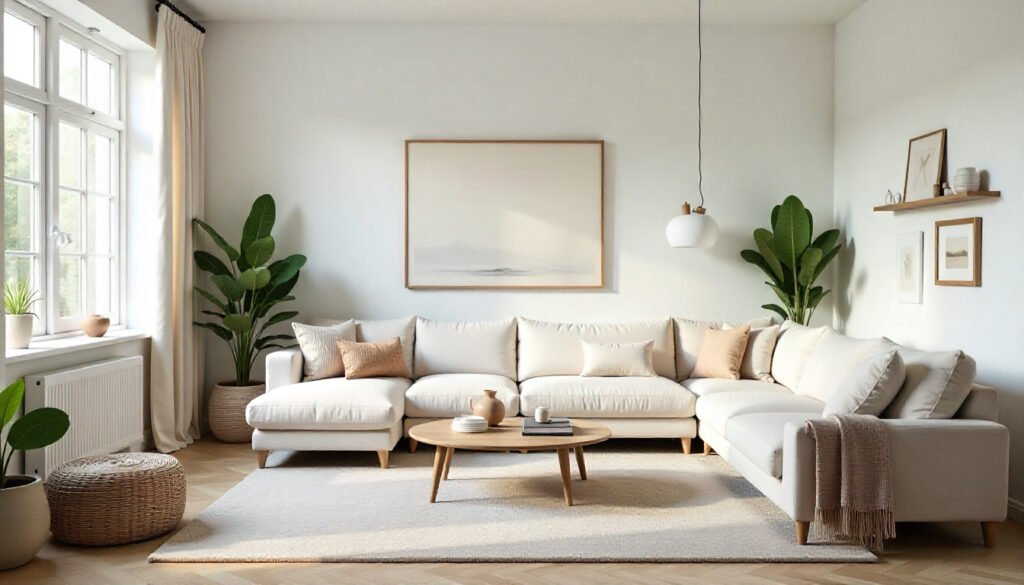
When your furniture choices feel deliberate and cohesive, the room naturally appears calmer, more organized, and authentically minimalist.
8: Filling Walls With Too Much Art or Decor
A minimalist living room should feel open and breathable — but overcrowded walls can instantly destroy that effect. Many people hang multiple art pieces, gallery walls, clocks, signs, or shelves on every available surface, thinking it adds personality. Instead, it adds visual clutter and makes the room feel smaller and busier.
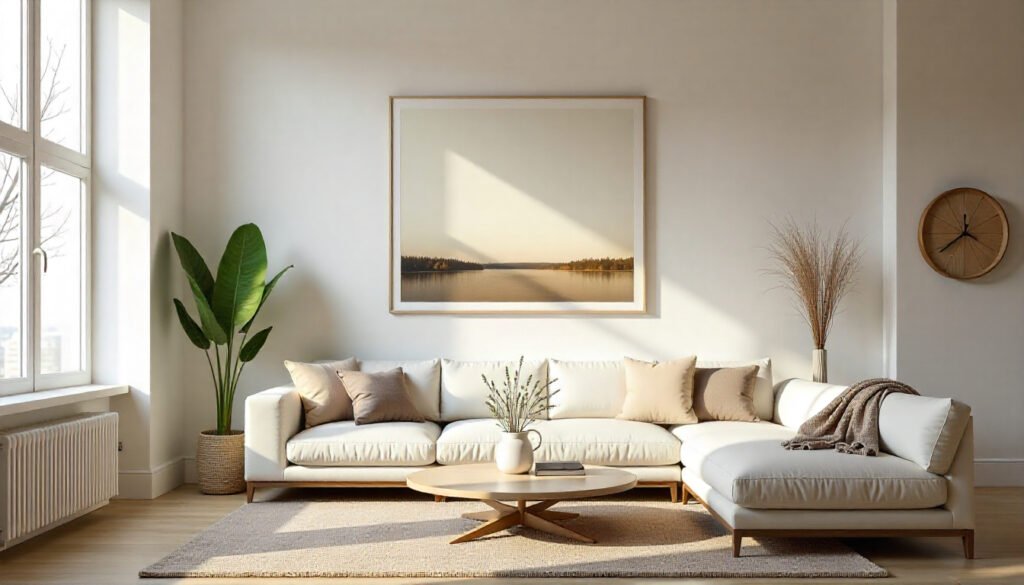
Minimalism celebrates intentionality. Minimalist Living Room Mistakes , Choose one or two statement pieces rather than several small ones. A single large artwork, a simple mirror, or a clean floating shelf can make a much stronger impact without overwhelming the eye. Empty wall space is just as important as filled space — it creates balance, harmony, and visual rest.
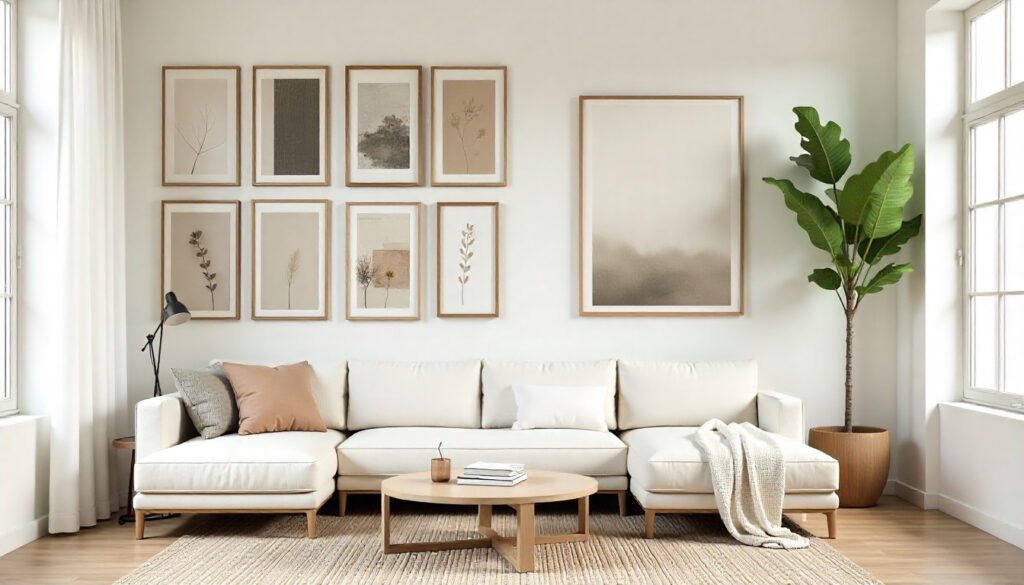
Remember: your walls don’t need to be fully decorated. Less truly is more when it comes to minimalist wall styling.
9: Using Poor Lighting or Too Many Light Sources
Lighting can make or break a minimalist living room. Many people rely on harsh overhead lighting or, on the opposite end, use too many lamps and decorative lights that create visual clutter. Poor lighting choices can cast unflattering shadows, highlight clutter, or overwhelm the simplicity of the space.
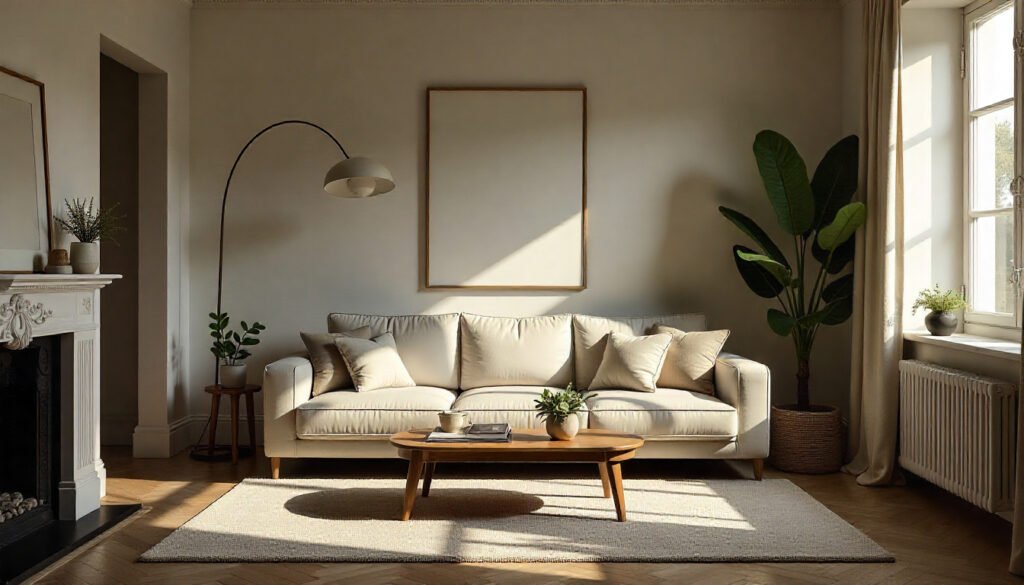
Minimalist design works best with soft, natural, layered lighting. Instead of multiple decorative lamps, choose a few functional yet stylish light sources — such as a floor lamp with a clean silhouette, recessed lighting, or simple wall sconces. Let natural light be the star during the day by keeping windows unobstructed with light curtains or sheer panels. Aim for lighting that enhances the calm atmosphere without drawing too much attention to itself.
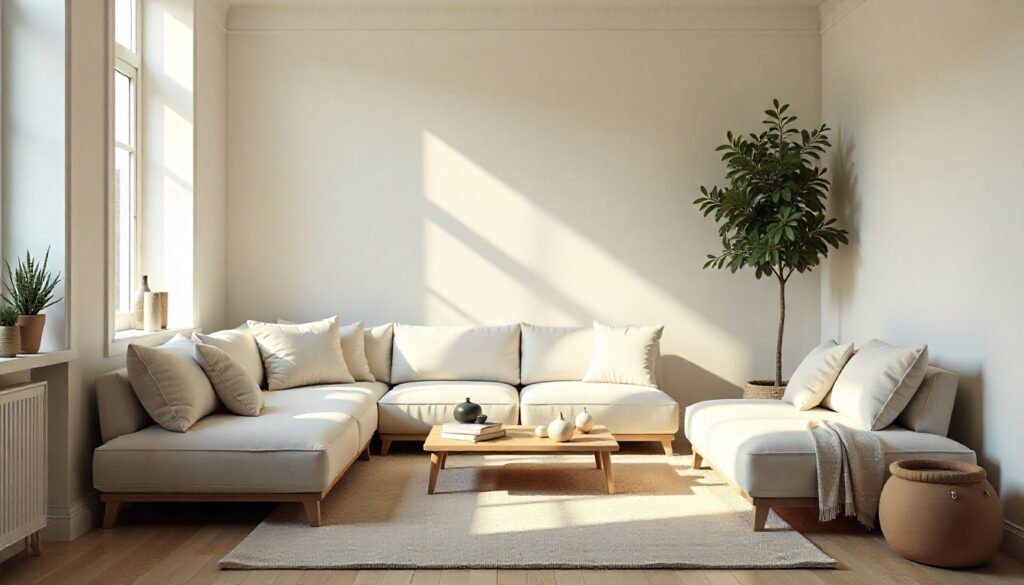
When the lighting is warm, balanced, and intentional, it supports the peaceful, uncluttered feel that minimalism is all about.
10: Keeping Items That Don’t Serve a Purpose
Minimalism is rooted in intentional living — yet many people hold on to items they don’t use, don’t love, or no longer need. Old décor, duplicate items, sentimental clutter, and random objects sitting “just in case” can quickly make a minimalist living room look messy and unfocused. Even a small number of unnecessary items breaks the clean, purposeful aesthetic.
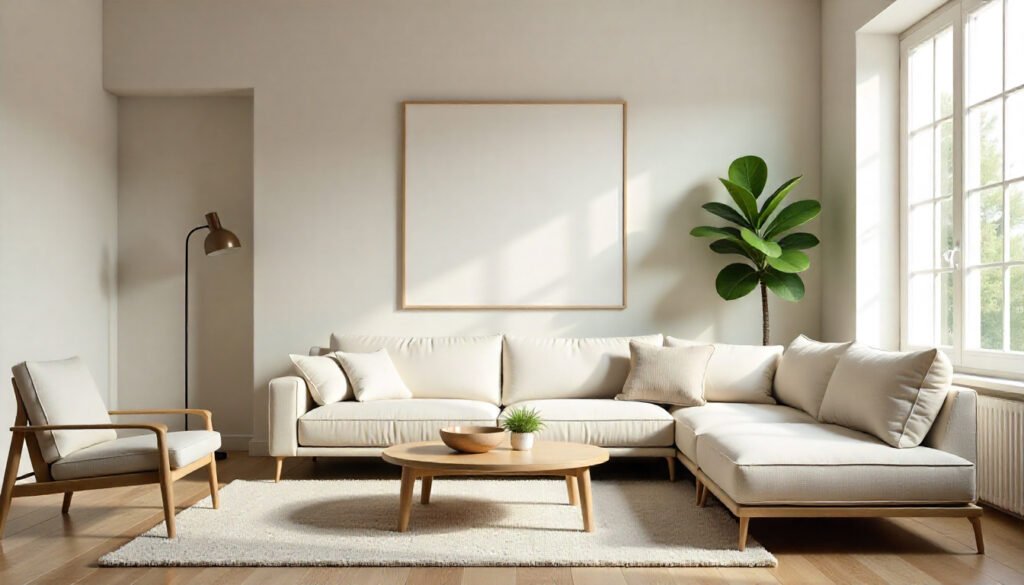
A truly minimalist space includes only what is functional, meaningful, or beautiful. Everything else becomes visual noise. Regularly assess your living room and remove anything that doesn’t contribute to the atmosphere you want to create. Donate old décor, store rarely used items, and display only pieces that add value to your space.
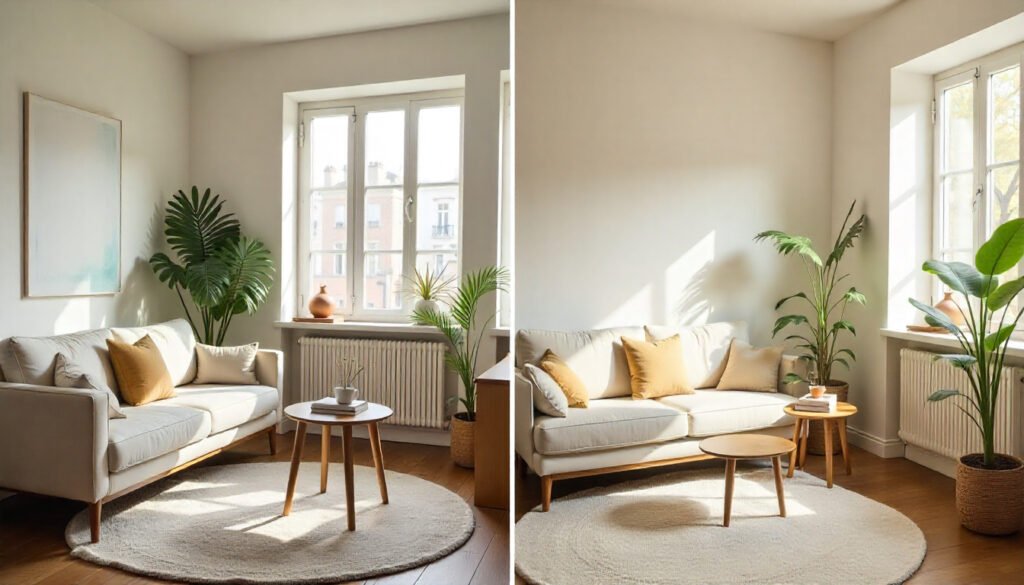
The fewer unnecessary objects you keep, the more open, calm, and intentional your living room will feel — the essence of minimalist design.
FINAL CONCLUSION
Creating a minimalist living room isn’t about having the least amount of furniture or décor — it’s about designing a space that feels intentional, peaceful, and aligned with your lifestyle. By avoiding these common mistakes, you can transform any room into a calming retreat that supports relaxation rather than adding stress. Minimalism is less about perfection and more about making mindful choices that enhance the way you live.
When you focus on proportion, cohesive styling, thoughtful storage, and purposeful decorating, your space becomes naturally uncluttered and visually soothing. Each item has meaning, each corner has room to breathe, and the overall design feels elevated and harmonious. Minimalism isn’t restrictive — it’s liberating.
Take your time, adjust one area at a time, and enjoy the process of simplifying. The more intentional your living room becomes, the more peaceful and refreshing it will feel every day.
FAQs
1. How do I make my minimalist living room feel cozy, not cold?
Add warm textures like soft throws, natural wood, and warm lighting to balance simplicity with comfort.
2. What’s the simplest way to start decluttering a minimalist living room?
Begin by clearing surfaces — coffee tables, consoles, and shelves — then remove anything not used daily or loved.
3. Can I use color in a minimalist living room?
Yes, but stick to one accent color and keep the rest of the palette neutral and cohesive.
4. How many decorative items are ideal in a minimalist space?
Aim for 1–3 intentional pieces per surface to maintain visual clarity.
5. How do I stop my living room from looking empty while staying minimalist?
Use larger, well-chosen anchor pieces (like a good sofa or statement artwork) instead of adding many small items.